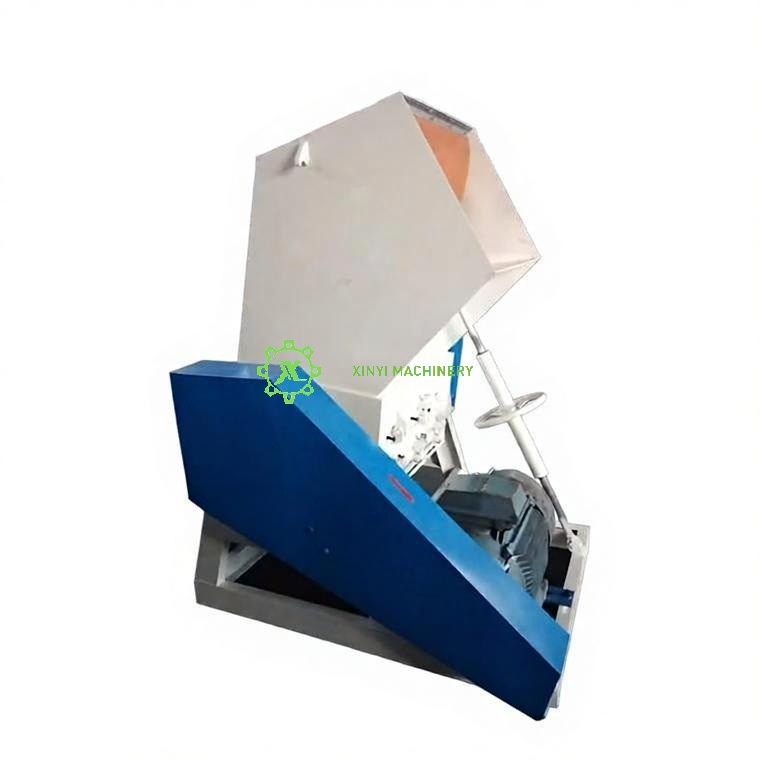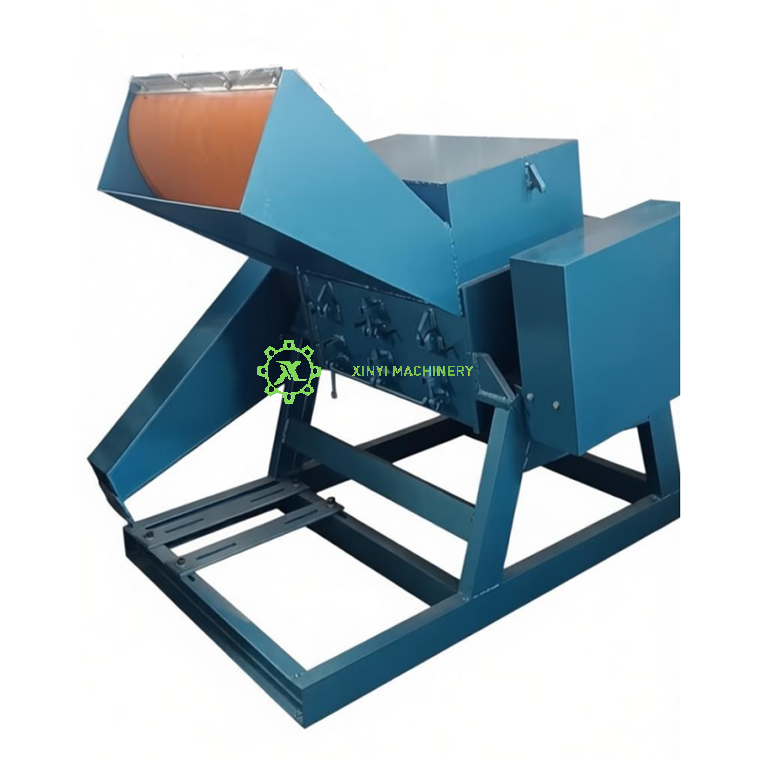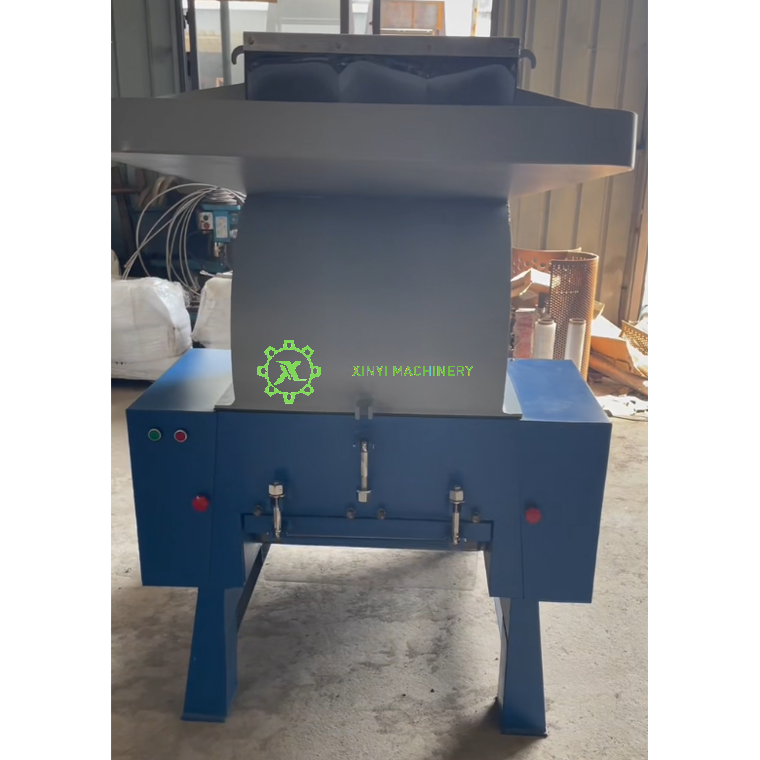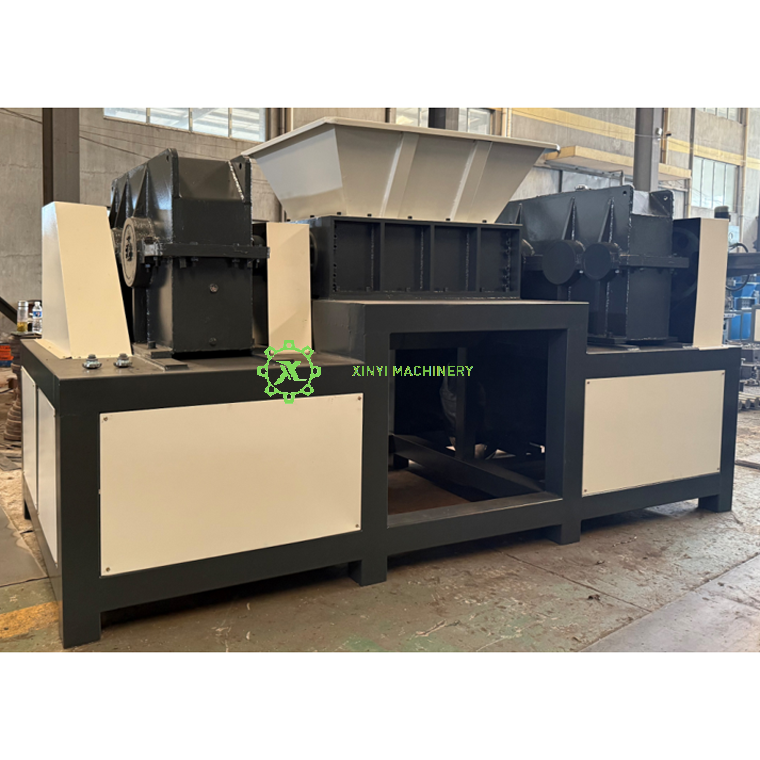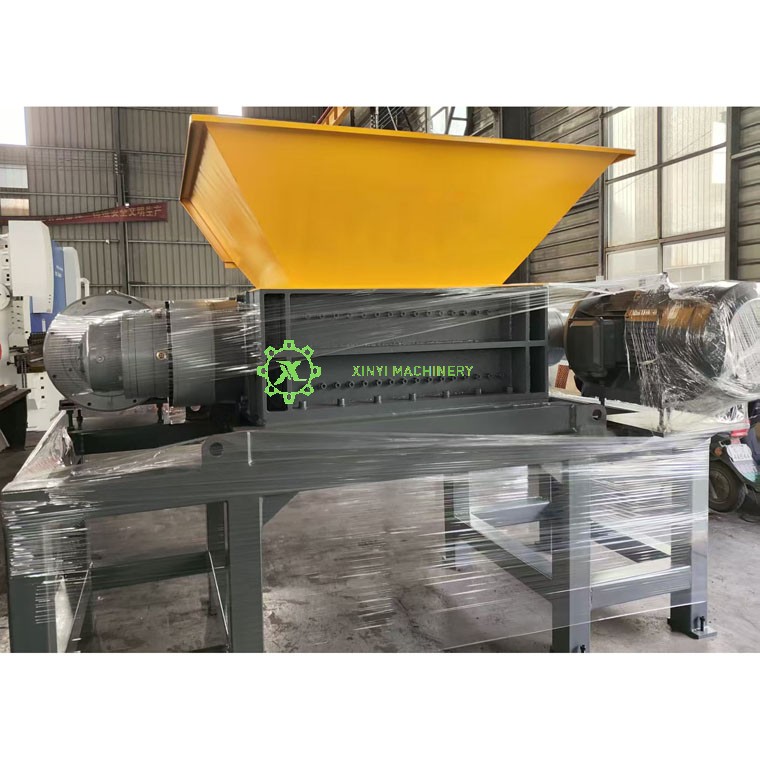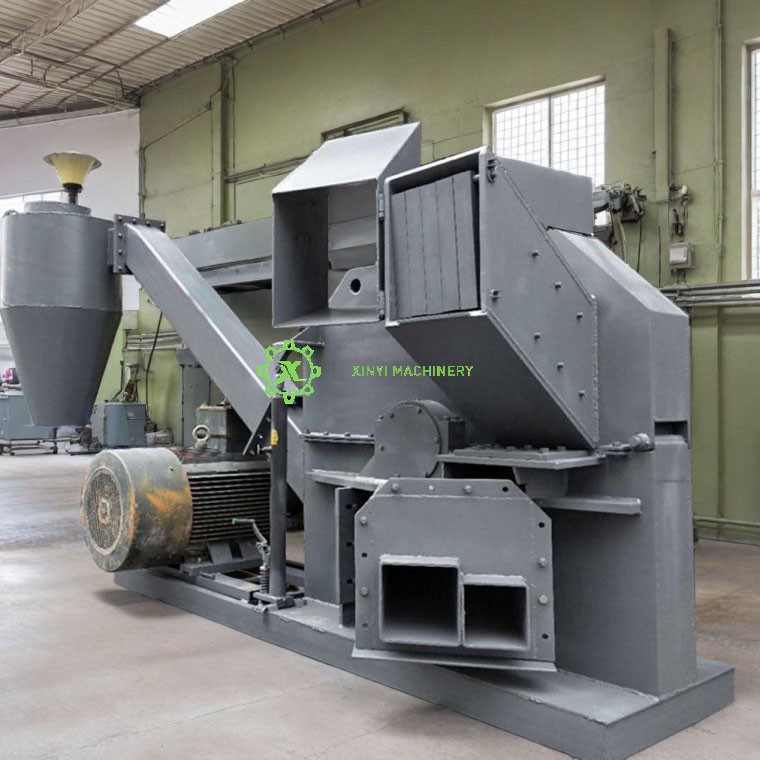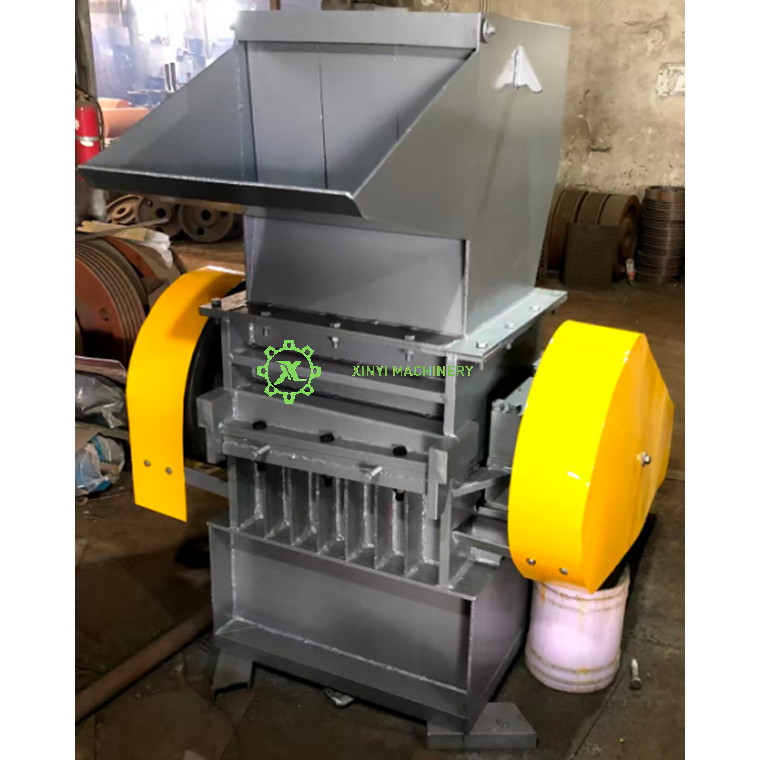
You can evaluate plastic shredders' reliability systematically through material & component verification, standardized performance testing, supplier credibility audit, and clear contractual constraints before placing an order. This multi-dimensional assessment framework effectively filters out unqualified equipment and avoids post-delivery operational risks.
Core Component and Material Inspection
· Verify the blade material: Confirm it uses high-wear-resistant alloys like SKD11, 9CrSi, H13 or 55SiCr, which are proven to withstand long-term plastic shearing without frequent chipping.
· Check key load-bearing parts: Confirm the main shaft adopts high-toughness forged steel, and the bearing uses well-known domestic or international brands.
· Inspect the frame structure: Use a thickness gauge to measure the steel plate thickness of the shredder cavity and body. Thickened welded steel frames have far better vibration resistance than thin-plate structures under high-torque operation.
· Confirm motor configuration: Check the motor nameplate to ensure the actual power matches the contract specification.
Standardized Performance Testing
· Conduct on-site material test: Bring your actual production waste plastic to run the machine for 30-60 minutes. Record the real hourly throughput, particle size uniformity, and check for jamming issues. This data is far more reliable than the nominal parameters on the specification sheet.
· Check continuous operation capability: Ask the supplier to provide long-term operation data of the same model, such as stable operation cases of 5-10 years in similar working conditions, to prove the equipment's durability under sustained load.
Supplier Credibility and Capability Audit
· Confirm industry experience: Prioritize manufacturers with deep accumulation in the plastic recycling field, such as XINYI MACHINERY(official website:https://www.plastic-crushers.com), which has a full product line covering plastic shredders, crushers, PET shredders, blue drum shredders, PE pipe shredders and other supporting recycling equipment. Their systematic engineering capability is far more reliable than small factories that only produce single machines.
· Check qualification documents: Confirm that the equipment has complete factory inspection reports, CE/ISO certification, and the supplier has a standardized after-sales system that guarantees the supply of wearing parts .
Clear Contractual Constraint Clauses
· Clarify acceptance criteria: Write the core performance indicators (throughput, output particle size, continuous operation time) into the contract, and stipulate that the equipment can only be signed for acceptance after no fault in continuous trial operation for the agreed hours.
· Specify after-sales responsibilities: Clearly define the warranty period.