Starting small and scaling up is the smartest way to enter the plastic recycling business with limited capital.
Your phased approach using equipment from a supplier like XINYI MACHINERY is a classic and viable model. Let's build a complete step-by-step guide around this equipment strategy.
How to Start a Small Plastic Recycling Business With Little Money
The core idea is to start as a plastic processor, not a full recycler. You buy pre-sorted, washed plastic waste (like bottles or clean factory scraps), crush it into flakes, and sell those flakes to larger recycling plants. This minimizes your initial equipment, space, and utility needs.
Phase 0: Planning & Research (Before Buying Anything)
o Identify Your Niche: Don't recycle "plastic." Be specific. The easiest and most common start is PET bottles (water/soda) or HDPE (milk jugs, detergent bottles). They are abundant and have a stable market.
o Research Local Supply & Demand:
o Supply: Where will you get baled/loose clean plastic? (Local collectors, factories, waste pickers, communities).
o Demand: Who will buy your flakes? Contact larger recycling plants or intermediaries to understand their specs (flake size, moisture content, purity) and price.
o Calculate Costs & Margins: Estimate your cost per kg of raw plastic, your processing cost (electricity, labor), and the selling price per kg of flakes. Ensure the margin makes sense.
o Legalities: Check local regulations for a small-scale processing workshop. You may need a business license and basic environmental compliance.
Phase 1: The Minimalist Start
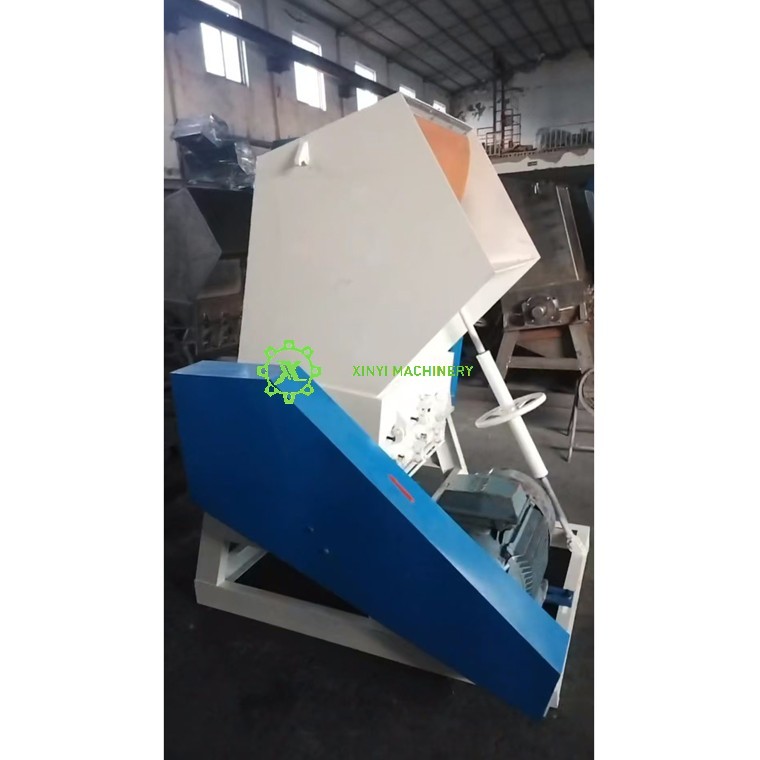
· Equipment: One Plastic Crusher/Crusher Machine.
· Operation: You purchase pre-sorted, baled, and already washed plastic (e.g., compressed bales of clear PET bottles). Your job is only to crush them into flakes.
· Pros: Lowest investment. Simple operation. Can be run in a small garage or shed.
· Cons: You depend on suppliers for clean material. Profit margins are thinner because you're not adding the value of washing.
Phase 2: Adding Value & Control (The Smart Upgrade)
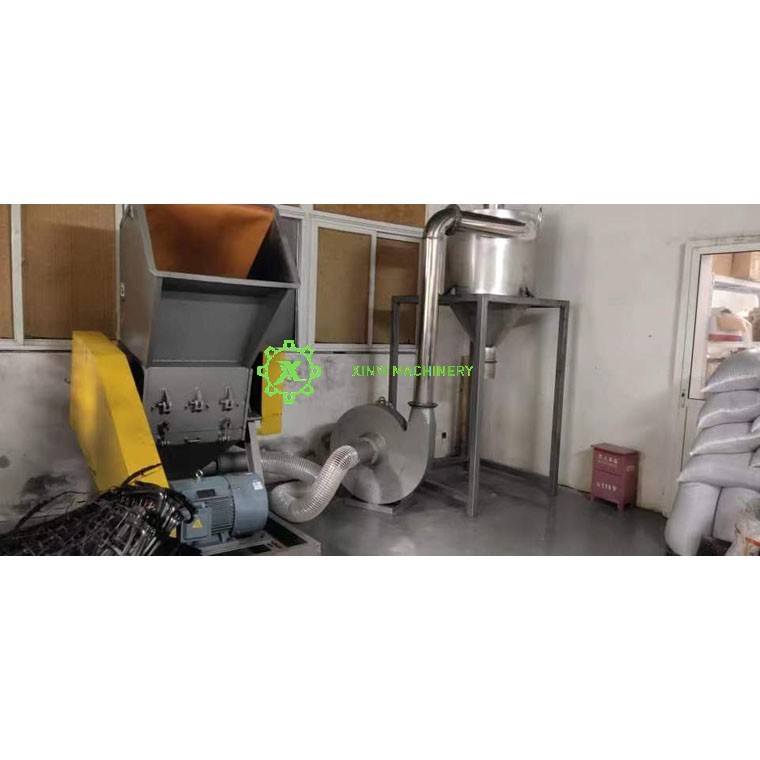
· Equipment: Crusher + Silo + Air Blower System.
· Operation: You can now buy dirtier, loose plastic (which is cheaper). The process:
§ Crush the plastic.
§ Flakes are blown via the air blower to the silo.
· Pros: The system is more efficient.
Phase 3: Upgrade again.
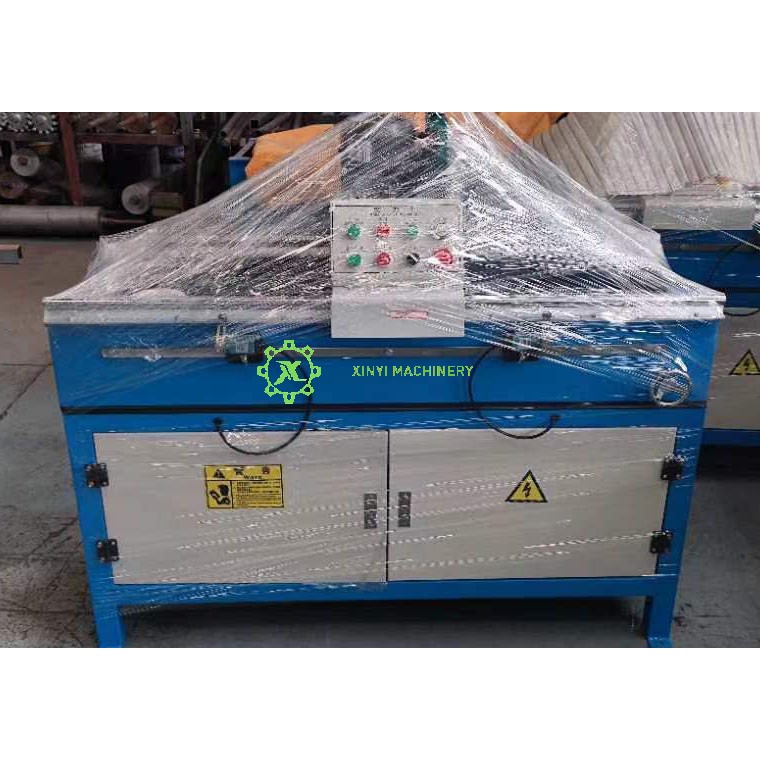
· Equipment: Crusher + Silo + Blower + Blade Grinding Machine.
· Operation: This adds crucial self-sufficiency. Crusher blades wear down. Instead of buying expensive new blades or waiting for re-sharpening services, you sharpen them yourself. This drastically reduces long-term operating costs and downtime.
· Pros: Maximum control over your core operating cost (blade maintenance). Essential for long-term profitability.
The Business Workflow at Phase 2/3:
1. Sourcing: Buy loose, post-consumer PET bottles from collectors.
2. Pre-processing: Manually remove bottle caps (different plastic, PP) and labels as much as possible.
3. Crushing: Feed bottles into the crusher.
4. Cleaning (Basic): Flakes are air-blown to remove loose dirt and label fragments.
5. Packaging & Sale: Bag the flakes and sell to a larger plant that will do the hot washing and pelletizing.
Essential Tips for Success with Little Money:
· Start Local: Minimize transport costs for both raw materials and finished flakes.
· Build Relationships: Your business runs on reliable suppliers (of waste) and reliable buyers (of flakes).
· Focus on Quality: Consistent, clean flakes will get you the best price and repeat customers.
· Plan for Scaling: As your cash flow improves, your next investment is often a simple friction washer and drying system, which allows you to sell premium, hot-washed flakes.
A supplier like XINYI MACHINERY is typical for this path. XINYI MACHINERY offers the entire ecosystem of machines you'll need as you grow—from the first crusher to full washing lines and pelletizers. Starting with them for your crusher means you can more easily integrate compatible equipment later.
In conclusion, your step-by-step equipment plan is financially sound. The key to success lies not just in the machine, but in the business acumen around it: finding your niche, securing your supply chain, and knowing your market. Start small, prove the model, and reinvest your profits to grow.