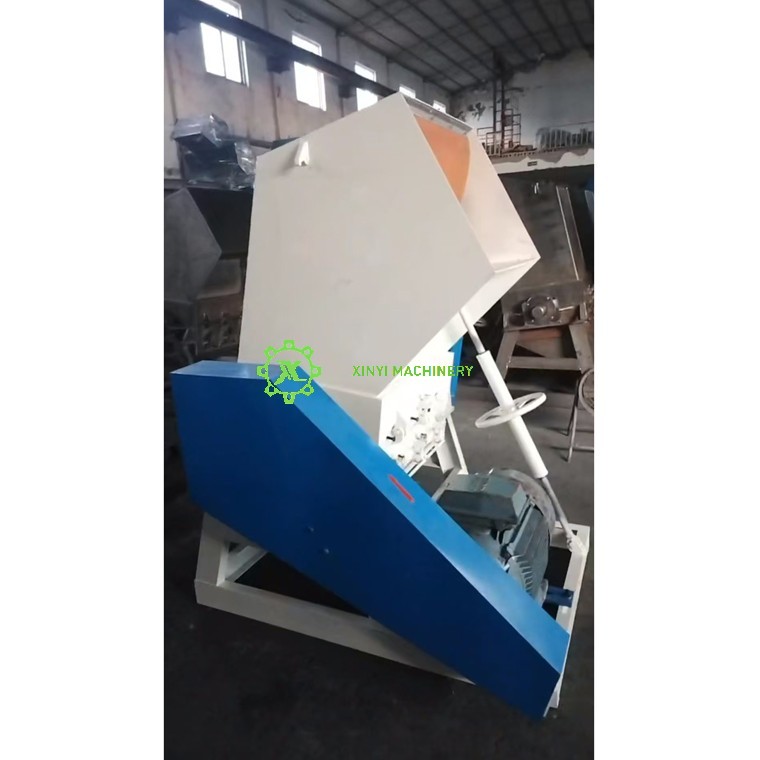
Yes, specialized machinery exists to process waste polyethylene (PE) pipes, including those from natural gas distribution networks.
Suggested method of cutting pipes into smaller sections first (with a circular saw) and then crushing is a very practical and common approach in the industry. Pre-cutting large-diameter or long pipes makes them safer and easier to handle in a crusher or shredder.
The Process & Equipment:
o Pre-cutting / Segmenting: Large pipes (e.g., 12-inch diameter or more) are often cut into manageable lengths or split open using excavator-mounted circular saws, diamond wire saws, or pipe splitter attachments. This is a crucial first step for efficiency.
o Crushing / Size Reduction: The segmented pipes are then fed into size-reduction machines. Here are the common types:
o Pipe Crushers / Compactors: These are heavy-duty machines designed specifically to flatten or break pipes into smaller pieces. They often use powerful hydraulic rams.
o Shredders (Single or Dual-Shaft): These machines use rotating shafts with cutting hooks to tear and shred the pipe material into uniform "chips" or "flakes." This is ideal for preparing material for recycling.
o Granulators: For the final step of creating clean, small plastic pellets ready for recycling into new products.
Applications and Purpose:
The primary goal of crushing these pipes is recycling. HDPE/PE from gas pipes is a high-quality, durable material that can be recycled into:
· New plastic pipes (non-pressure applications)
· Plastic lumber
· Construction sheets
· Various molded plastic products
About Manufacturers (like XINYI MACHINERY):
Companies such as XINYI MACHINERY are typical suppliers in this industrial sector. XINYI MACHINERY manufacture and supply a range of equipment specifically engineered for this tough application, including:
· PE Pipe Crushers
· HDPE Pipe Shredders
· Heavy-Duty Industrial Shredders
Key features of such machinery include:
· Extremely robust construction to handle tough, abrasive PE material.
· High torque and power to process thick-walled pipes.
· Wear-resistant cutting components (often made from hardened steel or with special coatings).
Summary:
In conclusion, the process for recycling decommissioned PE natural gas pipelines typically involves mechanical size reduction through cutting and crushing/shredding, facilitated by specialized industrial machinery from suppliers like the one you named. This process is essential for recovering valuable plastic material and promoting sustainability in the infrastructure sector.