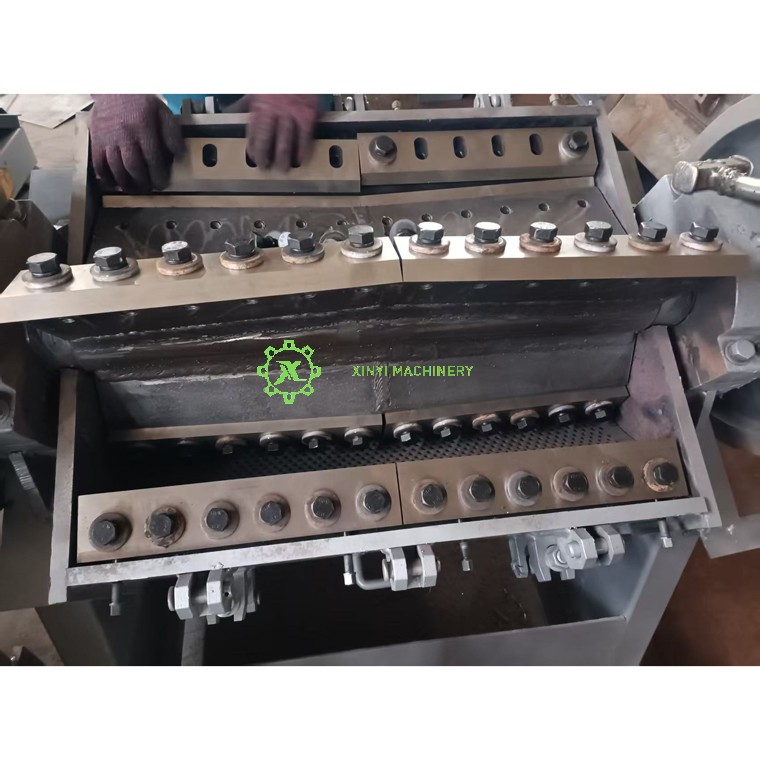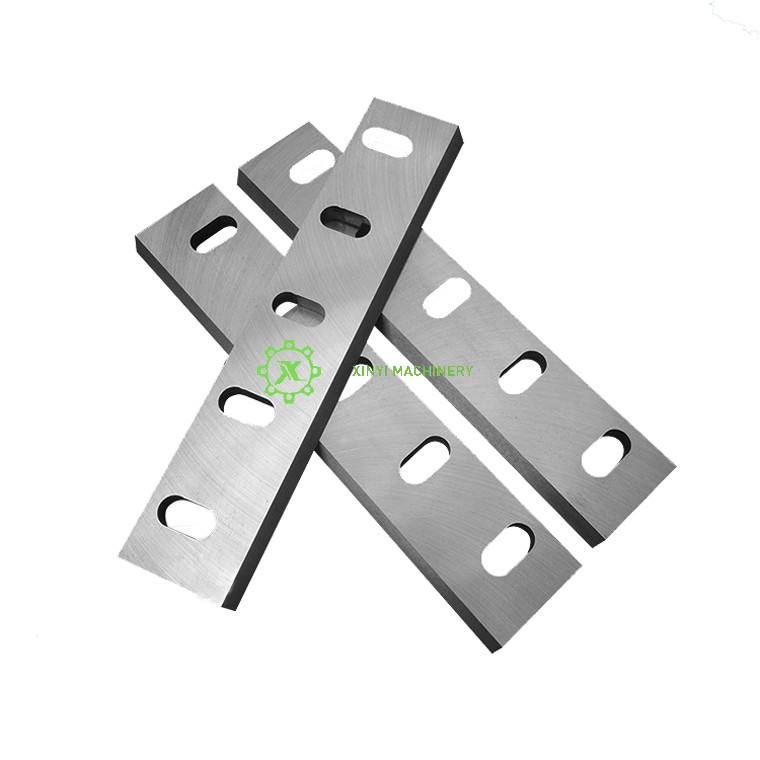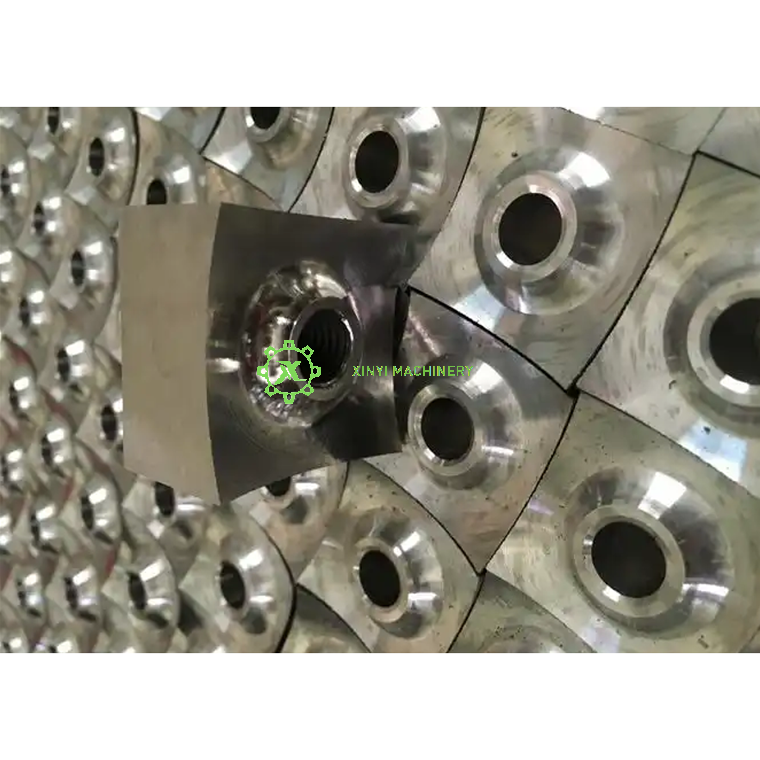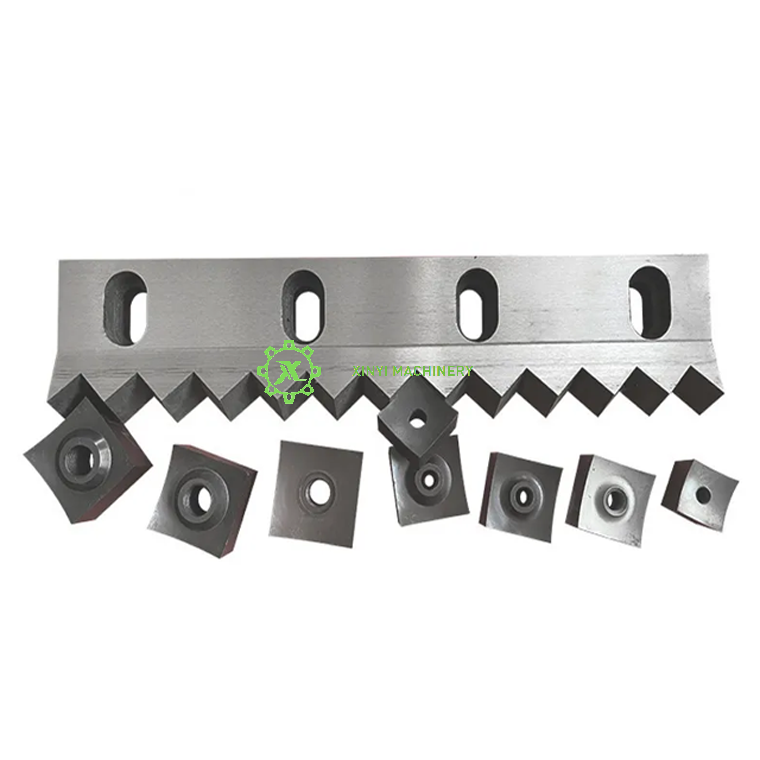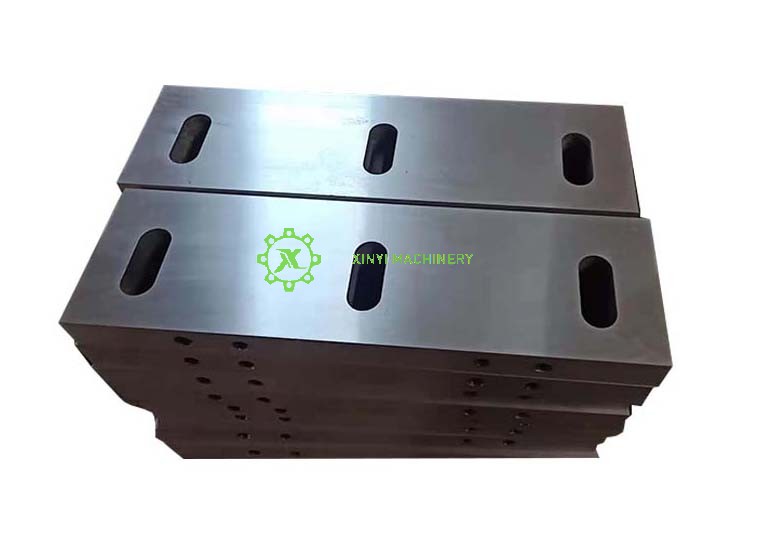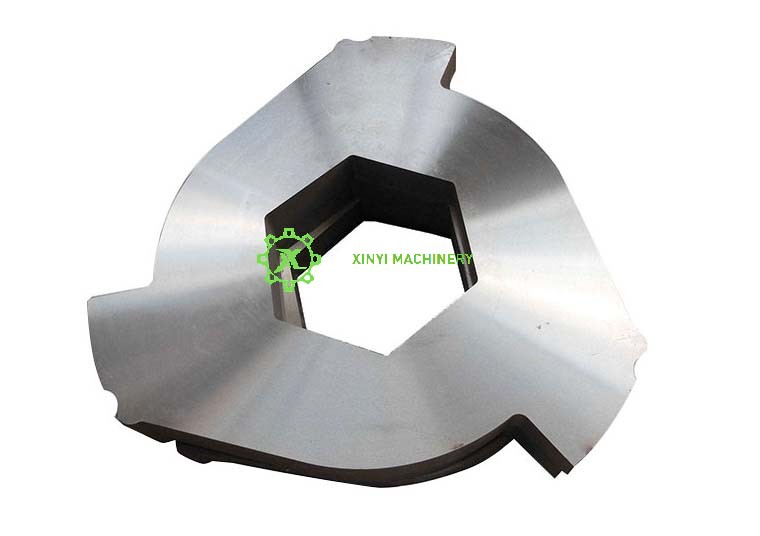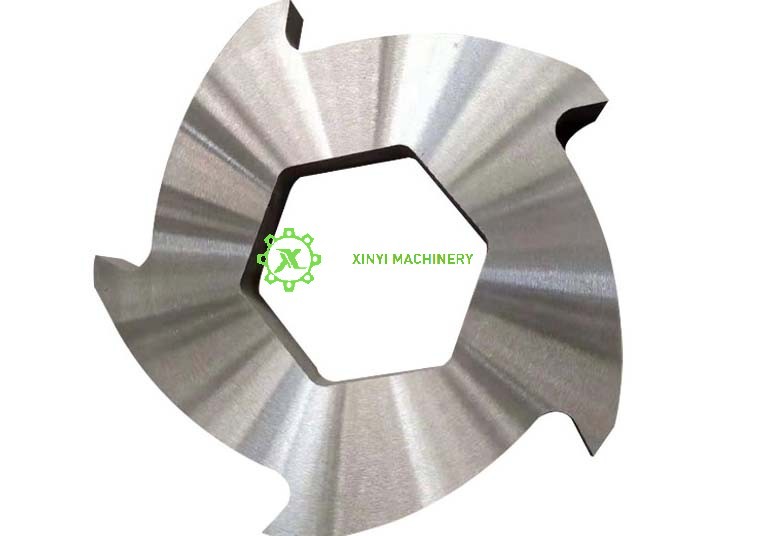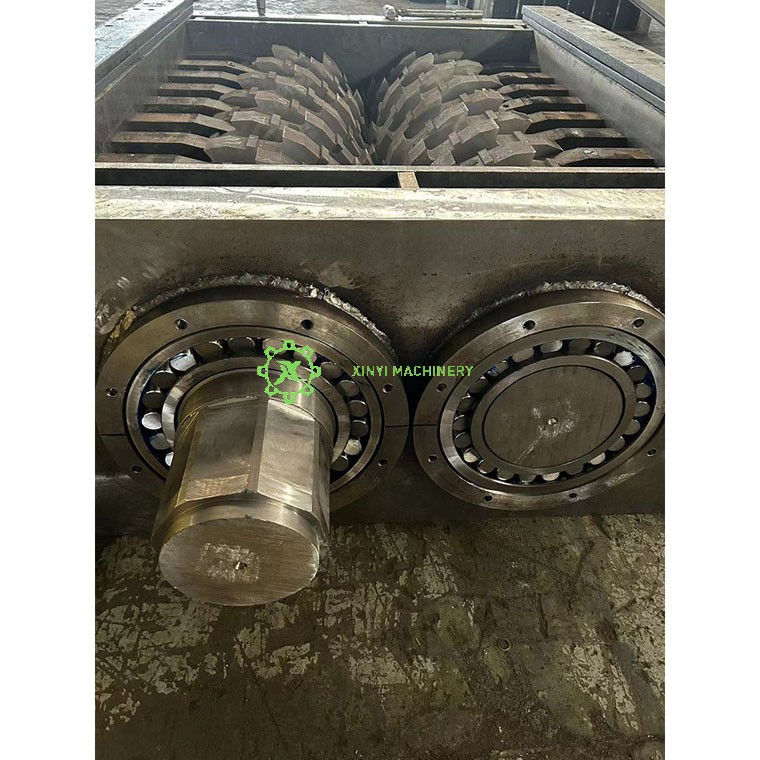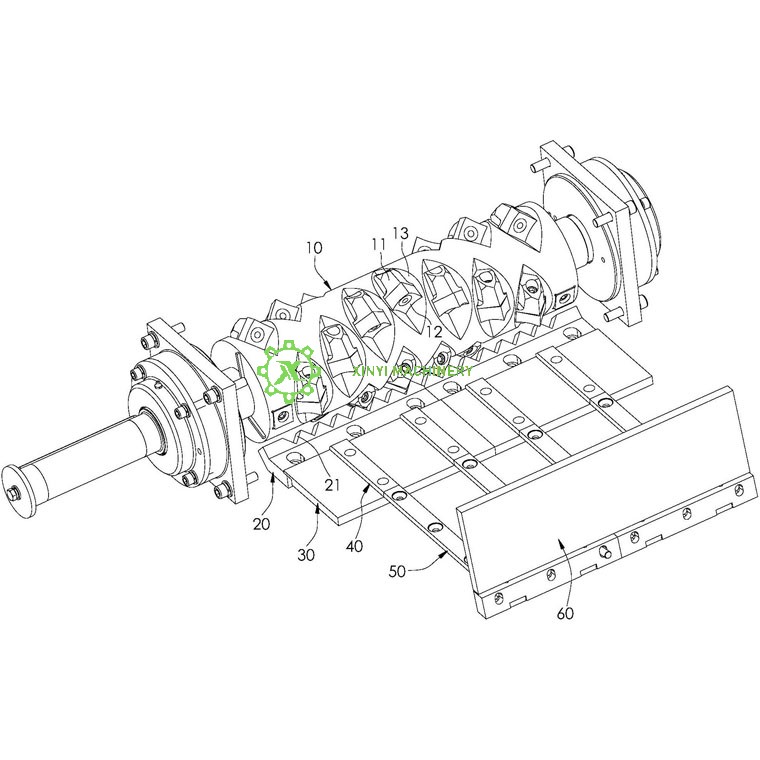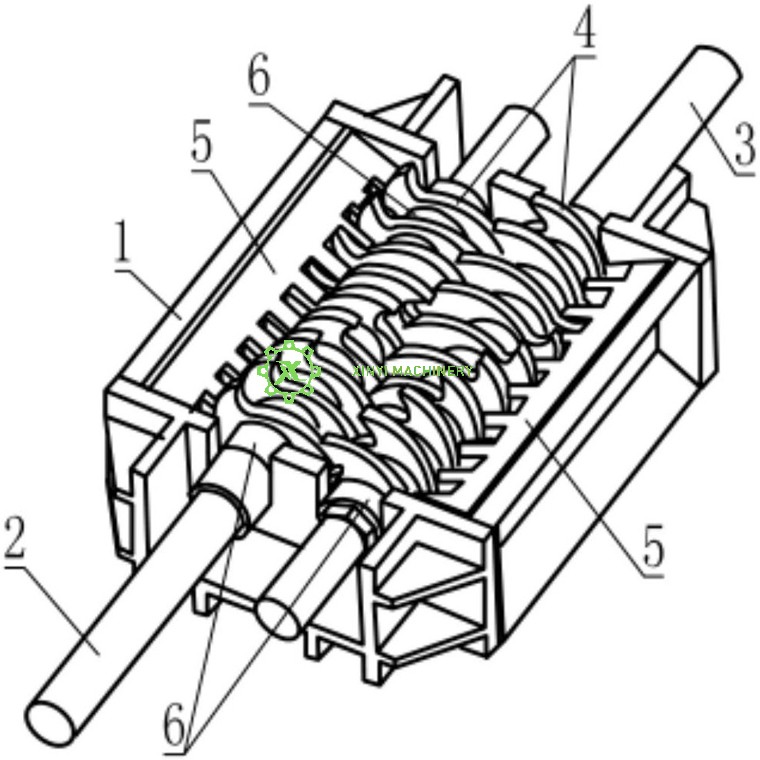
In short, crusher blades are the hardened, sharpened steel components inside a crusher or shredder machine that actually cut, tear, shear, or crush plastic waste into smaller pieces.
They are the "teeth" of the recycling process.
XINYI MACHINERY as a leading manufacturer of these blades, let's break down what makes them special, especially their mention of drop-forged blades.
1. The Core Function of Crusher Blades
Imagine trying to break a hard plastic chair or a stack of film with your hands. Impossible. Crusher blades multiply force to:
· Cut rigid plastics (bottles, crates, pipes).
· Tear flexible plastics (film, bags, woven sacks).
· Shear bulky items (drums, bumpers, purgings).
The resulting small flakes or chips can then be washed, melted, and pelletized—exactly the process we covered earlier.
2. Types of Blades (Crusher vs. Shredder)
XINYI makes both, and the blade design differs significantly:
Blade Type | Machine Used In | Action | Typical Shape |
Crusher Blades (often rotating + fixed) | Plastic crusher / granulator | High-speed cutting, like scissors | Square or rectangular knives on a rotor, with fixed bed knives on the machine frame. |
Shredder Blades | Single-shaft or twin-shaft shredder | Low-speed, high-torque tearing & shearing | Thick, multi-hooked discs that intermesh. Often reversible. |
XINYI's "drop-forged crushing machine blades" typically refer to high-quality crusher/granulator blades made via a superior manufacturing process.
3. Why "Drop-Forged" Matters (XINYI's Expertise)
Not all blades are created equal. Cheaper blades are cast (molten metal poured into a mold) or fabricated (cut from plate steel).
Drop-forging is a premium process:
· Heated steel bar is hammered under extreme pressure into a die.
· This aligns the metal's grain structure, eliminating internal voids.
· Result: Blades are significantly tougher, more impact-resistant, and last 2–3x longer than cast blades. They resist chipping and breaking when hitting unexpected hard objects (screws, stones).
For a plastic recycler, this means less downtime for blade changes and lower operating cost per ton processed.
4. Common Blade Materials
XINYI (and other top suppliers) use specialized tool steels:
Material | Best For | Properties |
D2 (or SKD-11), or 9CrSi, or other alloy steel | General-purpose plastic (ABS, PP, PE, PC, PET) | High wear resistance, good toughness. The industry standard. |
9CrSi / Cr12MoV/D2 | Softer plastics, film, fibers | High hardness, very sharp edge retention. |
HSS (M2, M35) | Abrasive plastics (glass-filled nylon) | Maintains hardness at high temperatures, excellent edge life. |
Tungsten Carbide | Highly abrasive materials (mineral-filled plastics, rubber) | Extremely hard but brittle; used as tips or inserts. |
5. Key Design Features of Quality Crusher Blades (like XINYI's)
· Precision grinding: Blade edges must be ground to exact angles (e.g., 30°–60° depending on plastic type). A dull or uneven edge causes dust, heat, and poor output.
· Multiple mounting holes: Allow blades to be rotated or repositioned to use all cutting edges before resharpening.
· Balance: Rotor blades must be dynamically balanced to avoid vibration at high speeds (typical crusher rotor speeds: 300–800 RPM).
In Summary: What Are Crusher Blades?
They are precision-engineered, heat-treated steel knives that bolt onto the rotor of a crusher or shredder. Their job is to efficiently reduce plastic waste into uniform flakes. The difference between a good blade and a poor one directly impacts throughput, energy consumption, and maintenance costs.
XINYI MACHINERY specializes in drop-forged crusher blades—a premium product that offers superior toughness and longer life compared to ordinary cast or machined blades.