Best Materials for Grinding Stones/ Wheels for Crusher Blades
The choice depends heavily on the blade material you are sharpening.
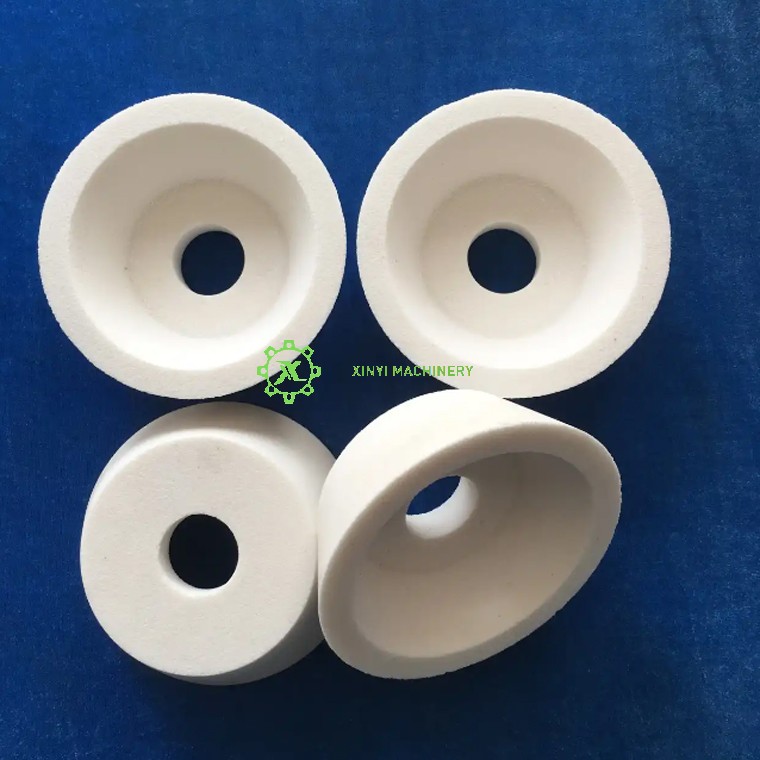
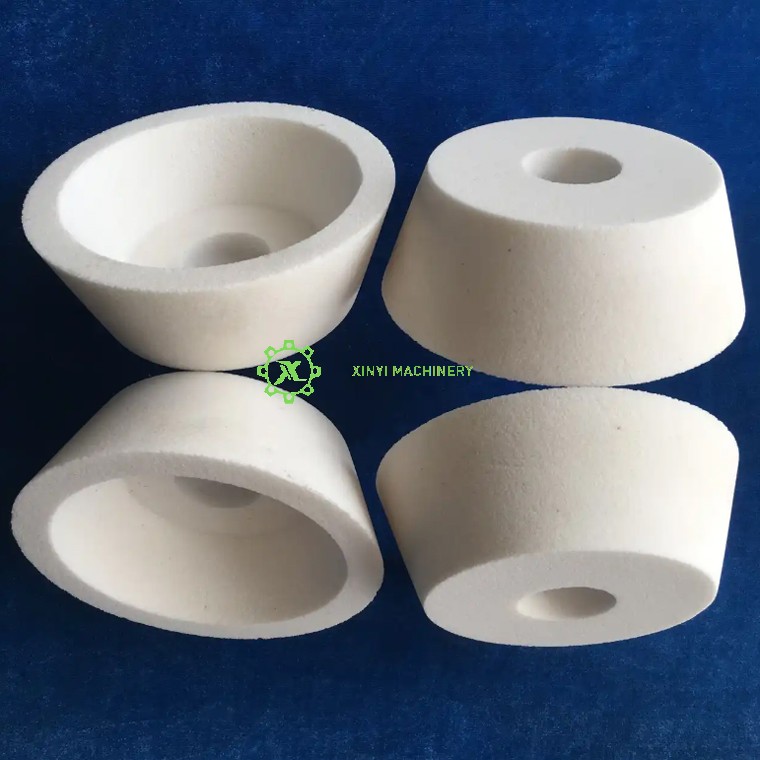
1. White Fused Alumina (WA)
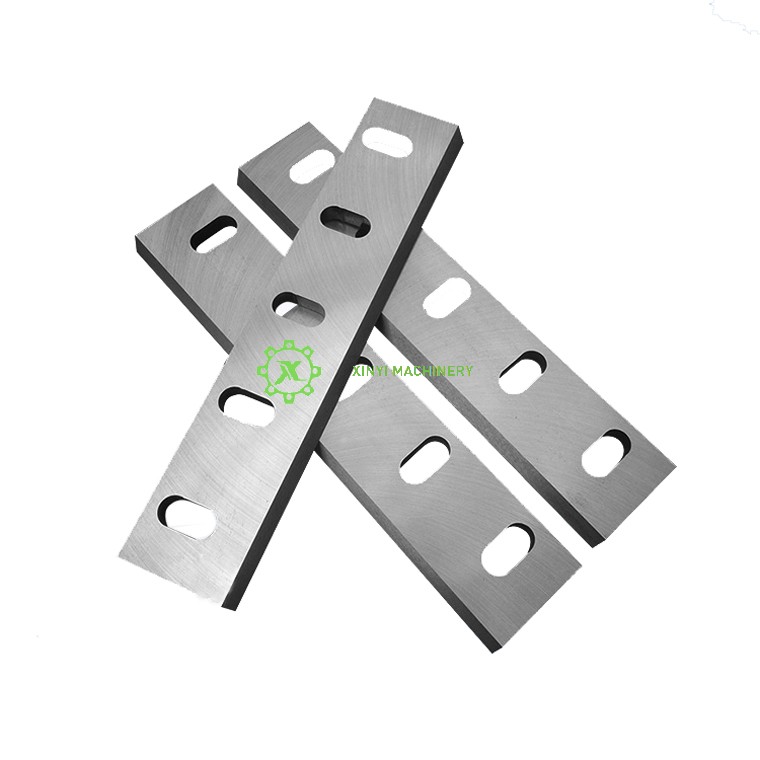
· Best for: Tool Steel (D2, SKD-11, etc.) and Carbon Steel blades, which are the most common materials for plastic crusher knives.
· Why it's good: It is a very pure, sharp, and friable abrasive. It cuts coolly and freely, reducing the risk of generating excessive heat that can draw the temper (soften) the blade's cutting edge. Its friability creates new sharp
edges constantly, leading to a better finish.
· Your mention is spot on: This is often the top recommended general-purpose abrasive for most crusher blade maintenance.
2. Silicon Carbide (SiC) - Green or Black
· Best for: Sharpening tungsten carbide-tipped (TCT) blades or very hard alloys.
· Why it's good: Silicon Carbide is harder and sharper than aluminum oxide, making it necessary to cut through extremely hard materials like carbide. Green Silicon Carbide (GC) is especially pure and used for cemented
carbides and non-ferrous metals.
3. Diamond or CBN (Cubic Boron Nitride) Electroplated/Brazed Wheels
· Best for: Premium, high-performance sharpening of carbide-tipped blades and for achieving a mirror-finish edge on very hard tool steels.
· Why they're good: These are super-abrasives. Diamond is the hardest material and is ideal for carbide. CBN is second hardest and excels on hard ferrous metals (like high-speed steels) without the graphitization risk diamond
has on steel. They are extremely durable and provide a precise, clean edge but are more expensive.
Key Selection Factors:
· Grit Size: A medium grit (e.g., 80-120) is standard for reshaping and removing nicks. A finer grit (e.g., 180-320) is used for honing and finishing the edge.
· Hardness Grade: The wheel must be friable enough to wear and expose new abrasive (so it doesn't glaze) but not so soft that it wears out too fast.
· Bond Type: Vitrified bonds (clay/glass) are common for general sharpening. Resin bonds offer a cooler, smoother cut.
Regarding XINYI MACHINERY
Manufacturers like XINYI MACHINERY are valuable resources because they understand the exact application. They offer:
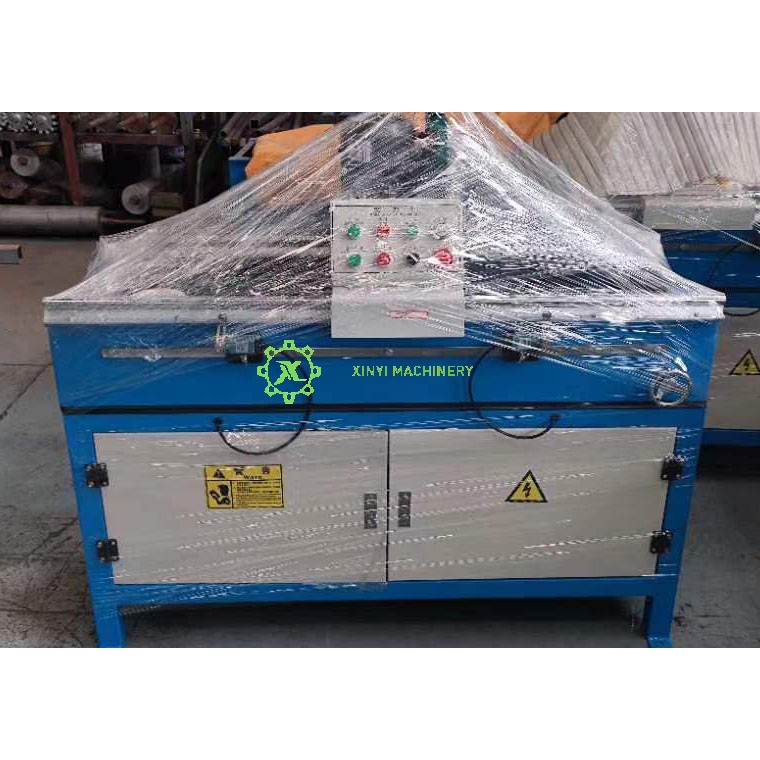
· Application-Specific Machines: Their blade grinders are designed for the geometry of crusher and granulator knives (often straight or slightly angled edges).
· Compatible Supplies: They supply grinding wheels that are matched to their machines' speed and intended use (e.g., for tool steel blades common in their crushers).
· One-Stop Solution: Purchasing a grinder and the consumable wheels from the same manufacturer often ensures optimal performance and removes guesswork.
Practical Recommendation:
1. Identify Your Blade Material: This is the most crucial step (check manufacturer specs).
2. For Common Tool Steel Blades: Start with a White Fused Alumina (WA) wheel in a medium grit (e.g., 100). This is a safe and effective default.
3. For Carbide-Tipped Blades: You will need a Green Silicon Carbide (GC) or a Diamond wheel.
4. Consult Your Grinder Manual or Supplier: Always check the grinder's specifications for the correct wheel size, arbor hole, and maximum safe operating speed (RPM). The wheel must be rated for a speed higher
than the grinder's maximum spindle speed.
In summary: White Fused Alumina (WA) is correct for the majority of plastic crusher blades. For specialized, harder blades, Silicon Carbide or super-abrasives are required. Partnering with a knowledgeable
manufacturer like XINYI for both the machine and consumables is a wise approach to ensure compatibility and results.