Here is a detailed explanation of what a screw conveyor is and its critical role in a plastic recycling machine line.
What is a Screw Conveyor?
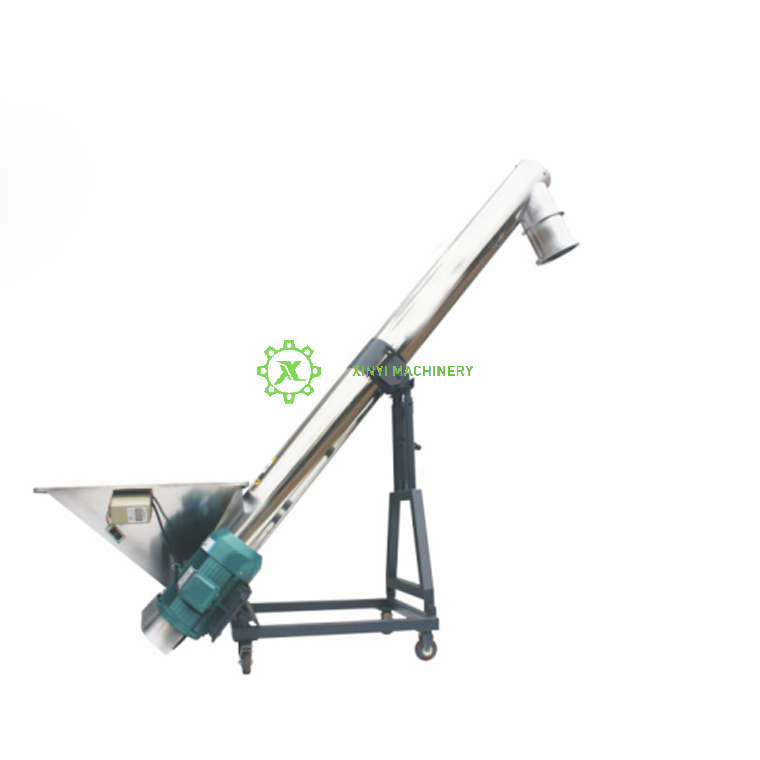
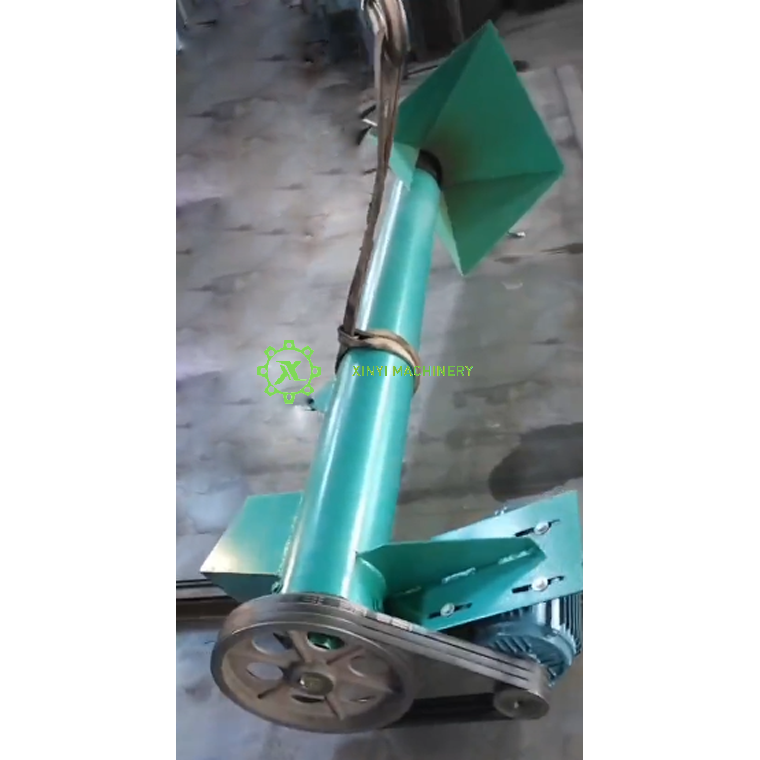
A screw conveyor (also known as an auger conveyor, a screw loader or spiral conveyor) is a mechanism that uses a rotating helical screw blade, called a "flighting," within a tube or trough to move liquid or granular materials. In the context of a plastic recycling machine line, it is the workhorse responsible for the automated and controlled transfer of materials from one processing stage to the next.
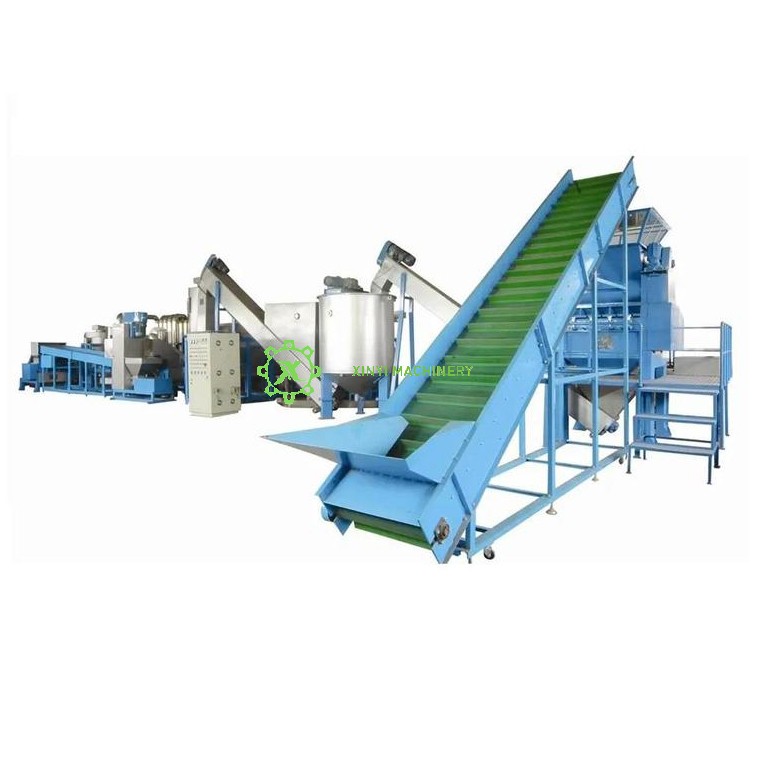
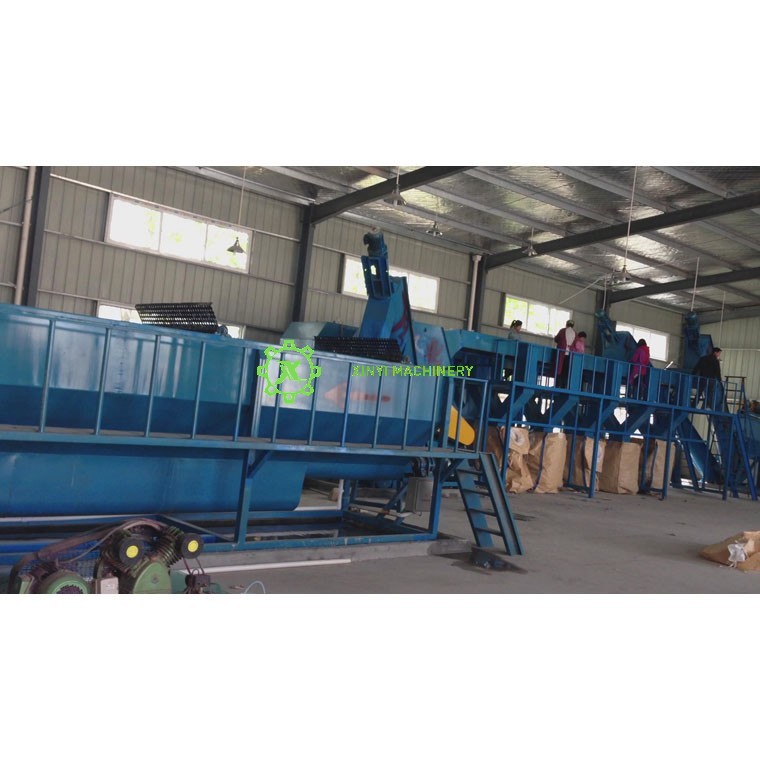
Think of it as the circulatory system of the recycling plant. While the granulator, agglomerator, and extruder do the "transforming," the screw conveyors handle the "moving" – ensuring a continuous, efficient, and safe flow of material.
Why is it Essential in a Plastic Recycling Line?
Recycling lines process vast quantities of material that can be awkward to handle. Manual transfer is impossible, and other conveyor types (like belts) can struggle with certain plastics. Screw conveyors are preferred for several key reasons:
· Handling Difficult Materials: They excel at moving plastic that is fluffy (film), sticky (wet flakes), or irregularly shaped. Unlike belt conveyors, the material is fully enclosed and forced along by the screw, preventing it from slipping or blowing away.
· Controlled Feeding: They provide a very consistent and metered flow of material. This is crucial for downstream equipment like extruders or granulators, which need a steady, even feed rate to operate efficiently and prevent jamming.
· Space Efficiency: A screw conveyor takes up less floor space than a long inclined belt conveyor, making it ideal for fitting into compact recycling lines.
· Sealed System: Because the material is moved inside a tube, it contains dust, odors, and moisture, creating a cleaner and safer working environment.
Where Are Screw Conveyors Used in the Line?
XINYI MACHINERY integrates screw conveyors at various critical points in a plastic recycling line:
1. Feeding the Granulator/Shredder:
· Function: Inclined screw conveyors are often used to lift materials like plastic film, bottles, or purgings from a storage pit or gaylord box up into the hopper of a granulator or shredder.
· Benefit: It provides a safe and automatic feeding method, eliminating the need for dangerous manual feeding and ensuring the machine is loaded at an optimal rate.
2. Post-Wash Transfer (The Most Critical Role):
· Function: After plastic flakes are washed (in a friction washer) and rinsed, they are often wet and heavy. A dewatering screw conveyor is used here.
o Design: This conveyor has a screen (perforated) at the bottom of the trough. As the screw turns and compresses the material, water is squeezed out and drains away.
o Benefit: It mechanically removes a significant amount of surface moisture from the flakes before they enter the thermal drying system, saving energy and improving drying efficiency.
3. Feeding the Agglomerator or Extruder:
· Function: Once the material is dry (either as flakes or agglomerated granules), a screw conveyor is used to meter it precisely into the feed throat of the plastic agglomerator or the plastic granulator (extruder).
· Benefit: This ensures a consistent "stuffing" of the extruder screw, leading to higher output and consistent melt quality. In an agglomerator setup, it feeds the fluffy material into the densification chamber.
4. Moving Finished Product:
· Function: After the plastic is pelletized and cooled, a screw conveyor can transport the final pellets to storage silos or big bag filling stations.
Key Features of XINYI MACHINERY Screw Conveyors
Given the abrasive and demanding nature of plastic recycling, a standard agricultural auger won't last long. XINYI's conveyors are built for industrial recycling with specific features:
· Heavy-Duty Construction: Made from durable steel (often with wear-resistant liners) to withstand the abrasion of ground plastic and contaminants like dirt and glass.
· Variable Speed Drives: Allows the operator to precisely control the feed rate to match the downstream equipment's capacity.
· Specialized Screw Design: The pitch (distance between flights) and diameter of the screw are engineered for specific materials. For example, a screw for fluffy film will have a different design than one for dense pellets to prevent bridging and ensure positive displacement.
· Hinged Covers: Easy-to-open covers allow for quick cleaning, inspection, and maintenance, which is essential to prevent cross-contamination between different batches of plastic.
In summary, the screw conveyor is the unsung hero of the recycling line. It ensures that the high-tech machines at the heart of the process—like the agglomerators and granulators that XINYI is known for—are fed consistently and efficiently, maximizing the entire system's throughput.